From gospel roots in America to performances at the Bayeux War Cemetery and alongside the RAF Band, Will Brown’s music is increasingly being shaped by memory, sacrifice and the stories that must not be lost.
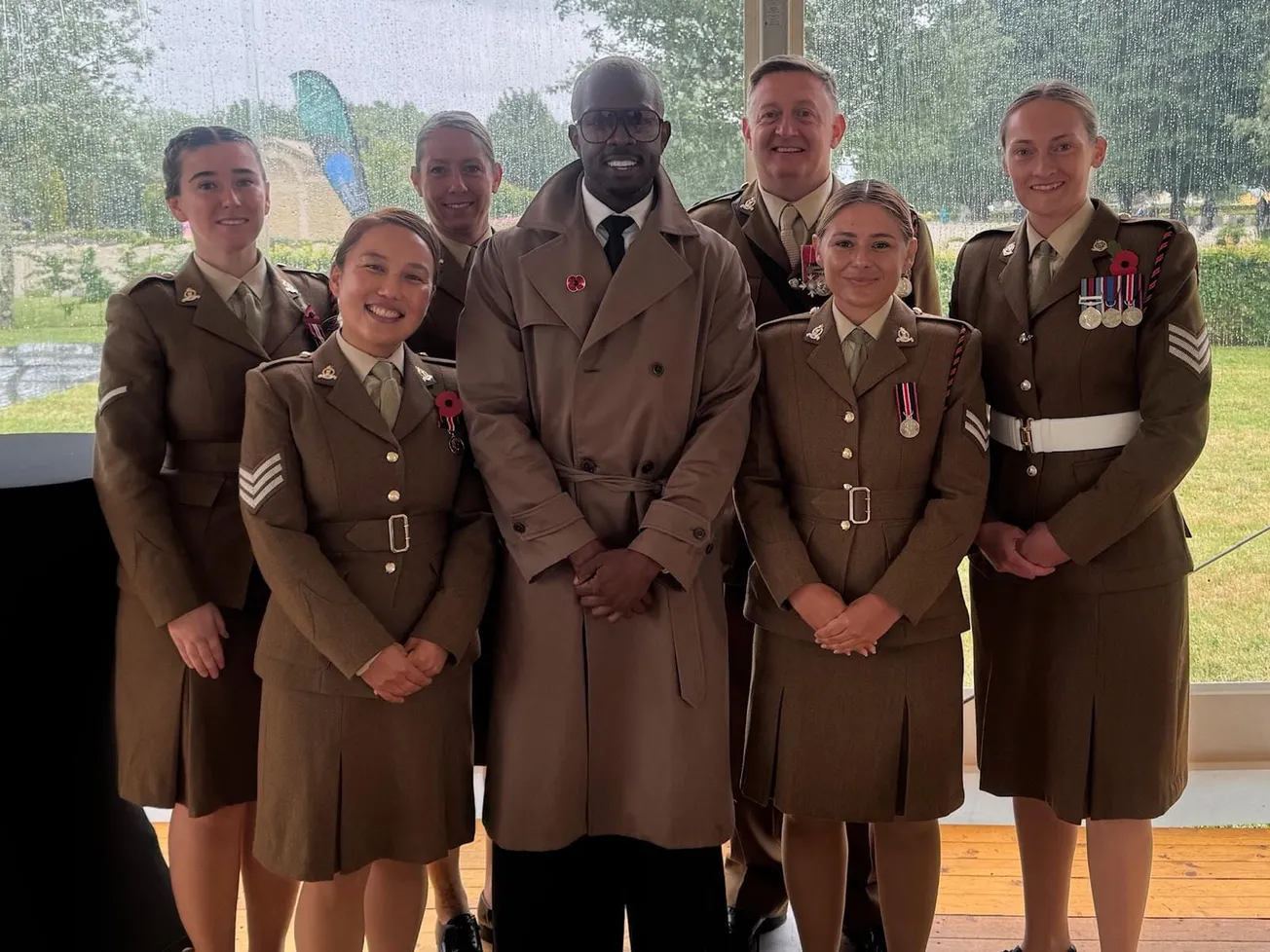
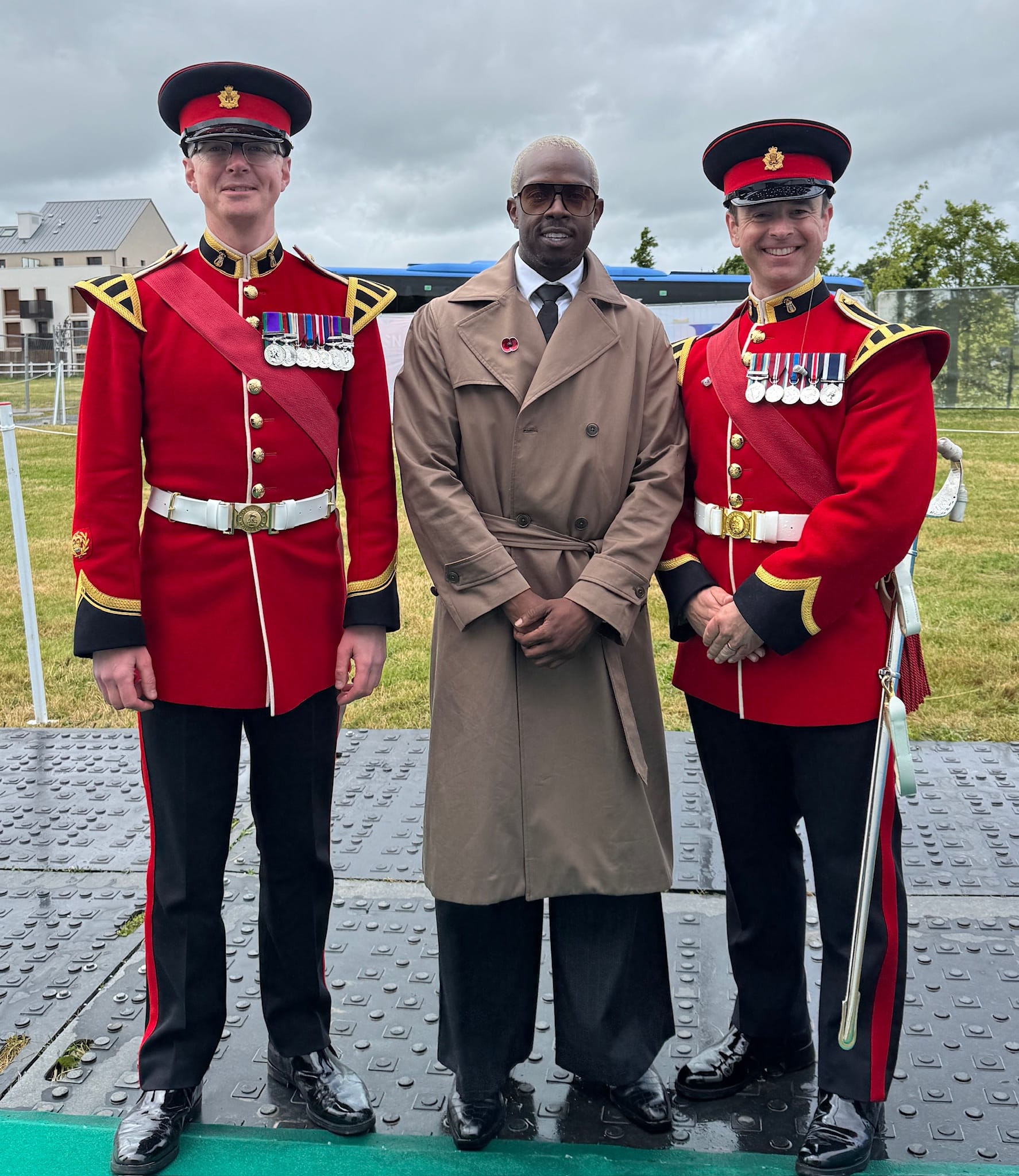
When the vocalist stood among the headstones at Bayeux War Cemetery, the moment carried a weight far beyond performance.
The Kansas-born singer had travelled to Normandy for the Service of Commemoration for D-Day, one of those occasions where music is not simply heard, but felt. For Will, it was “a humbling reminder that some stories must never be forgotten”.
It is a phrase that could easily sound polished in another context. Yet, for Will, remembrance is personal. Close family members served in Vietnam and Iraq, and his recent appearances – at Bayeux and at the Remembering Iraq War performance in Leicestershire – have connected his family history with a wider story of service, sacrifice and memory.
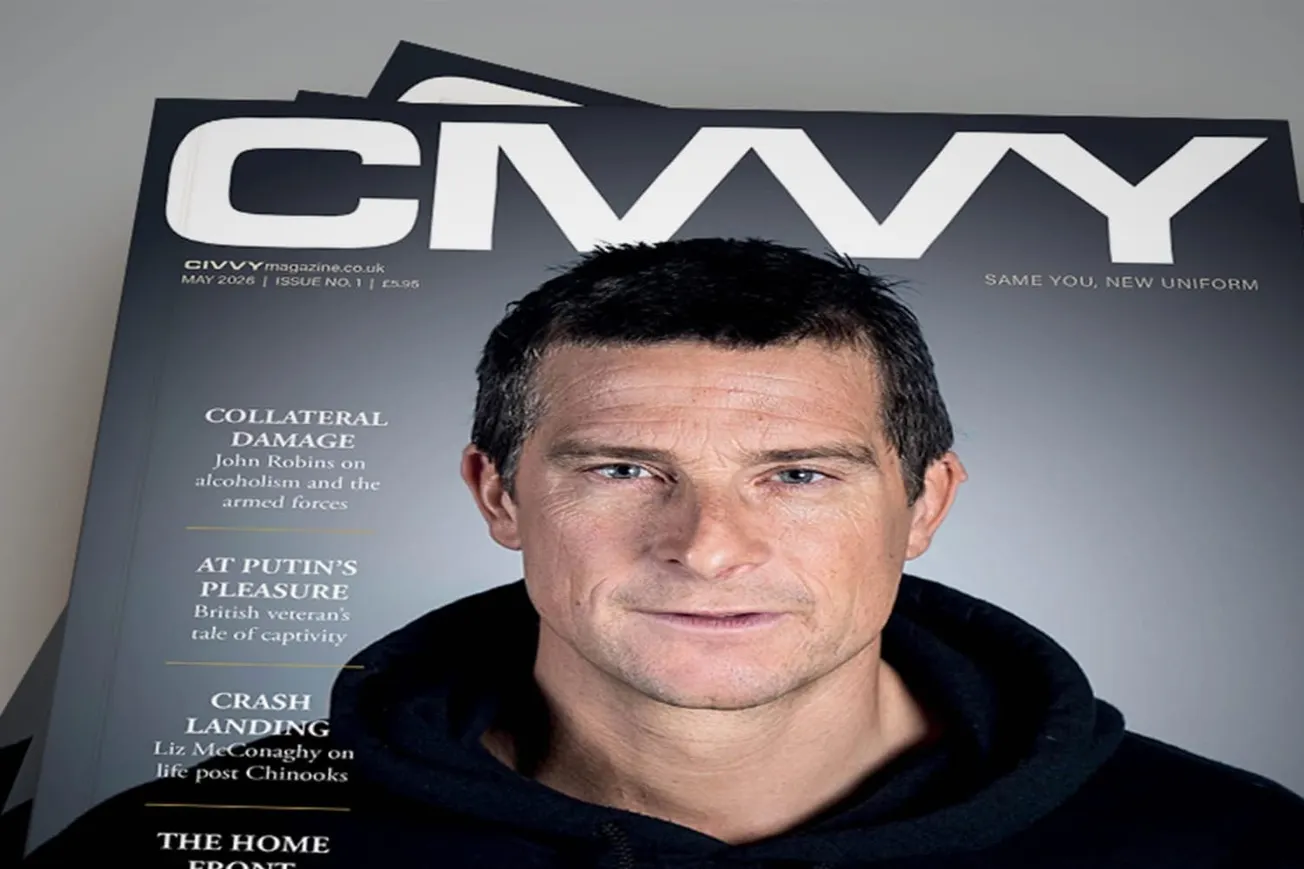
“As an American, I grew up learning about these moments in history,” he told CIVVY. “But standing in those places and seeing the impact they still have on families today is something completely different.
“Music has a unique way of bringing people together, and on days like those, it’s not about the performer, it’s about serving the moment. If my voice can help someone remember a loved one, reflect or feel connected to those who served, then that’s one of the most meaningful things I can do as an artist.”
In Leicestershire, Will performed with the RAF Band and the Military Wives Choir, singing I Won’t Let You Go and You Say. It was the sort of setting that demands restraint as much as vocal power. The audience is not there merely to be entertained. Many arrive carrying names, dates, photographs, memories and absences.
Will understands that.
“You have to leave your ego at the door,” he said. “These aren’t shows where people are coming to be entertained. They’re coming carrying memories, grief, pride and love. My responsibility is to honour that.”
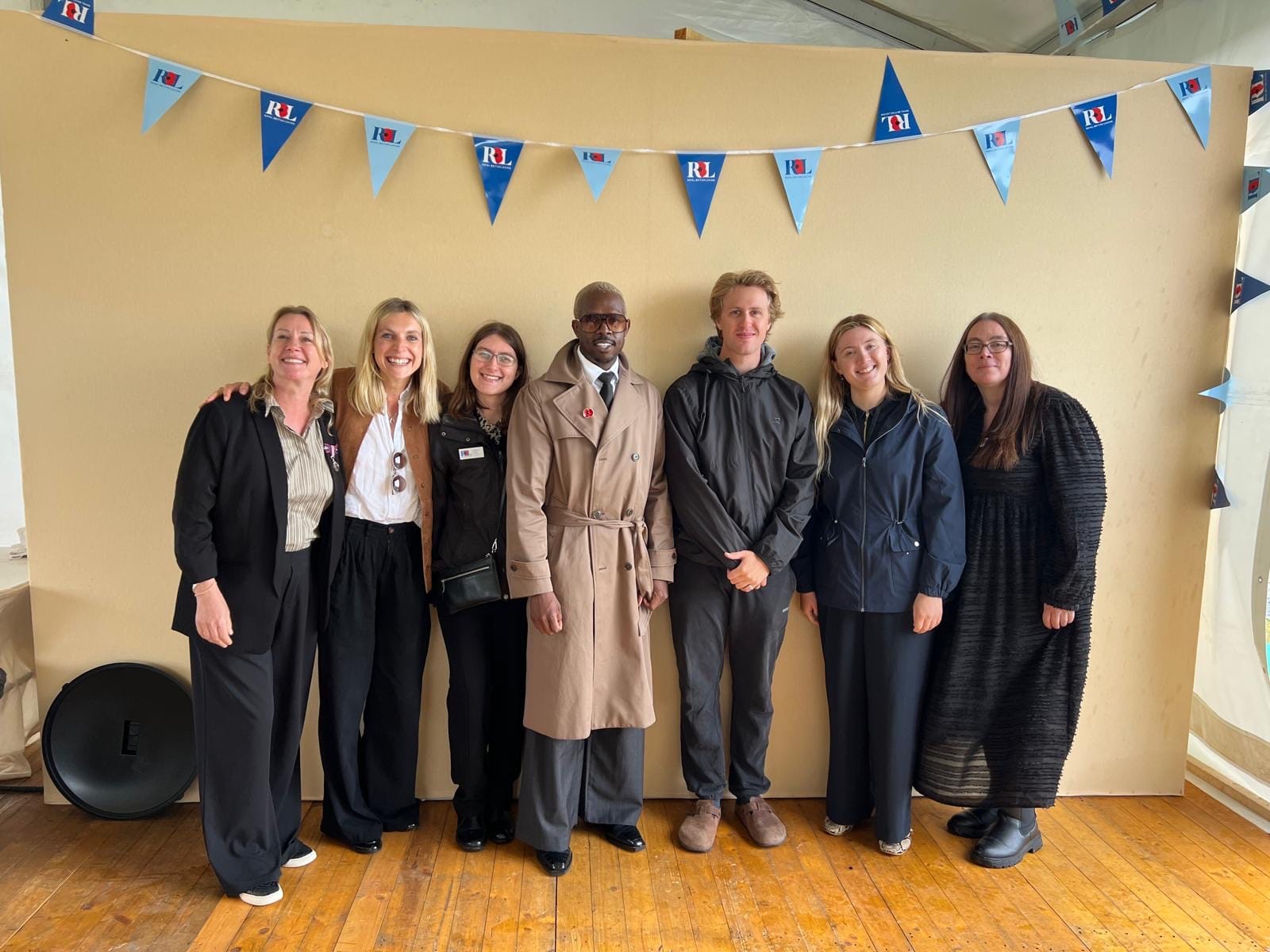
That sense of responsibility is rooted, at least in part, in his upbringing. Will grew up around stories of service. His cousin, Retired Staff Sergeant Joseph Conway, served in the United States Army from 1987 to 2016, with roles spanning demolitions, administration, finance and maintenance. Another family member, Retired Sergeant First Class John Armstead also served in the U.S. Army for 20 years, a stint that included deployments to Iraq during Desert Shield and Desert Storm with the 11th Air Defense Artillery Brigade.
As a child, Will remembers noticing the gaps left by service.
“They weren’t always at family gatherings,” he said. “We’d all catch up on how they were doing and where they were stationed, and I always felt a mixture of gratitude, respect and, if I’m honest, a little sadness.
“There were birthdays, family reunions, church services and everyday moments they couldn’t always be part of because they were serving. As a child, that was probably my first real understanding that military service requires sacrifice not only from those who wear the uniform but also from their families.”
That is a sentiment many in the UK Armed Forces community will recognise. Service is rarely confined to the person in uniform. It reaches spouses, children, parents and friends. It alters family rhythms, rearranges milestones and asks for a kind of quiet endurance from those left at home.
For Will, those early impressions have shaped the way he approaches commemorative events today.
“When I attend these events, I don’t just think about history,” he said. “I think about the people behind the service, the families waiting at home, and the sacrifices that often go unseen.”
At Bayeux, that thought became sharper still.
“What struck me most was how many dreams, futures and lives are represented by those headstones,” he continued. “Looking across the cemetery, I thought about how many young men never got the chance to come home, start families or grow old.
“It reminded me that the freedoms we enjoy today came at a tremendous cost. There was also a deep sense of responsibility. We have a duty to remember, to tell these stories and to make sure future generations understand the sacrifices that were made.”
Will’s own story begins a long way from Normandy. Originally from Kansas, he is the son of a preacher and began singing gospel music across America from the age of seven. In that world, music was not about fame or presentation. It was something more intimate.
“It was never really performance. It was connection. Music was how people expressed joy, pain, hope and faith. Growing up in church taught me that songs could help people through difficult seasons in life.”
That foundation is still evident in the way he speaks about music now. Whether standing on a stage, recording in a studio or singing at a service of remembrance, Will seems drawn to songs that help people locate feeling – grief, hope, doubt, faith – and give it somewhere to go.
“Whether it’s in a church or at a concert, I’m still trying to create moments where people feel seen and understood.”
Before stepping forward as a solo artist, Will spent around a decade as a background singer for gospel artist DeWayne Woods. It was an apprenticeship in the old-fashioned sense, a long education in discipline, humility and craft.
“Being a background singer teaches you how to support a vision that isn’t your own,” he explained. “You learn discipline, professionalism and how to deliver night after night. I also learned that talent alone isn’t enough. Longevity comes from preparation, reliability and understanding that every role matters, whether you’re centre stage or standing behind someone else.”
There was, however, another life before music became his livelihood. Will worked as a legal analyst at a law firm – a respectable career, but not one that silenced the pull of the thing he felt he was meant to do.
“I enjoyed the work, and I’m grateful for that chapter of my life, but there was always a voice in the back of my mind telling me there was something I hadn’t fully pursued. Music wasn’t just a hobby for me. It was the thing that made me feel most alive.”
The turning point was not cinematic. There was no single dramatic resignation scene. Instead, it was a slow and uncomfortable realisation.
“For years, I was trying to be the person I thought other people wanted me to be rather than the person I truly was. Music became the place where I felt most honest and most myself.
“Eventually, the risk of staying became greater than the risk of leaving.”
That leap eventually brought him to the UK. Will has spoken before about British singer-songwriter Lianne La Havas being the artist who made him want to come to London. What he heard in British music was freedom – a willingness to experiment with styles without forcing an artist into a single lane.
“British music has always felt fearless to me. Artists are often encouraged to blend genres and bring all parts of themselves into the music. When I heard Lianne La Havas, I heard soul, folk, pop and storytelling existing together naturally.
“That really resonated with me because I’ve never felt like I fit neatly into one category. London felt like a place where I could explore who I was as an artist without being asked to simplify it.”
That sense of being allowed to exist outside one box matters to Will. In America, he felt he could be easily categorised as an R&B church singer. London, he says, has given him more space.
“Here, I can bring my gospel roots, my love of pop music, my storytelling and my soul influences together without having to choose one identity. People seem more interested in the music than the category. That’s been incredibly freeing as an artist.”
That freedom has started to translate into momentum. His track Golden was playlisted on BBC Radio 2, featured on Sunday Brunch and performed on Sunday Morning Live. Another track, Better Man, took him to the iconic French television show Taratata. He has also been featured on Radio 2’s New To 2 section, BBC Radio 4’s Loose Ends and BBC Radio London with David and Carrie Grant.
The success of Golden came as something of a surprise to Will himself.
“I absolutely told my team it wouldn’t get radio play – and I was wrong. I think a lot of artists struggle with self-doubt. I loved the song, but I wasn’t sure whether it fit what radio was looking for. It wasn’t chasing trends. It was simply honest.
“The fact that Radio 2 embraced it reminded me that authenticity still matters. Sometimes the thing you’re worried makes you different is actually the thing that connects.”
His EP, Welcome To Brownsville, is out now. The title refers to an imagined place Will first created in 2008 – initially as somewhere to escape to, but over time something more substantial.
“Looking back now, I realise I wasn’t trying to escape life. I was searching for a version of myself that I had lost somewhere along the journey.
“To me, Brownsville is a place where you can bring your scars, your fears, your mistakes and your hopes and still be welcomed. It’s a reminder that we don’t have to have everything figured out to belong.”
The EP took roughly 18 years from idea to release. For some artists, that might sound like delay. Will sees it more as necessary living.
“Every setback gave me more life experience and more perspective. Brownsville evolved as I evolved. Looking back now, I don’t think I could have made this project ten years ago because I hadn’t lived enough of the story yet.”
This summer, Will joins Jools Holland for dates in Liverpool, Coventry and High Wycombe – an opportunity to stand before audiences who may not yet know his name. It is a challenge he appears to relish.
“You earn it one song at a time,” he concluded. “Audiences can tell when you’re being genuine, so I try not to focus on winning people over. I focus on connecting.
“If someone walks into the room not knowing who I am but leaves feeling something from the music, then I’ve done my job.”
Will’s story is not simply that of an American singer trying to make his way in Britain. It is a story about how music can carry memory across borders; how service shapes families as well as individuals; and how remembrance, when done properly, is not trapped in the past.
At Bayeux, among the rows of headstones, Will was reminded that freedom is never abstract. It has names attached to it. It has families attached to it. It has futures that never happened.
And sometimes, it has a song.
Will Brown’s EP, Welcome To Brownsville, is out now.