In my maiden article for CIVVY, I will write from the perspective of a concerned UK citizen, not a veteran.
As a businessman who has returned home after spending the last 13 years building and growing hardware and software businesses around the world, from startups and scale-ups through to NYSE-listed businesses, I wince when I look at successive UK Governments’ approach to defence.
If UK Defence PLC were a business, it would be classed as a distressed asset, and risk-on buyers would be circling.
The internet, news cycles and social media are awash with solutions ranging from bandages to silver bullets.
Defence watchers and experts have flooded our airwaves and screens with meticulous and neat articulations of where the gaps lie and what needs to be done.
First, the Strategic Defence Review (SDR) dominated cycles. Can it see into the future? Will what we propose to build be obsolete when it arrives?
Then the Defence Investment Plan (DIP). Will it go far enough?*
Now it’s drones. Or will these soon become obsolete as countermeasures advance? Are drones fast becoming the technology of yesteryear?
Then, the kill chain and autonomous warfighting. At what level of autonomy can humanity operate before we risk losing control? If we’re risk-averse and hedge, and our enemies don’t, won’t we lose every fight? Could we lose future battles and wars before the first shot is even fired…
And don’t forget perhaps the most important future warfighting force multiplier: AI sovereignty. Can we even afford the level of homegrown compute (raw computational power and hardware resources) needed to race alongside the US and China in their marathon, winner-takes-all quest for Artificial General Intelligence (AGI) and Artificial Superintelligence (ASI)?
Whilst this list of ‘topics de jour’ cannot be exhaustive (alas, word count restrictions), let us not forget the debates around national service and conscription. Are the younger generations really ready and willing to fight? Some say yes, and that we just can’t recruit and retain in the right way… others say we don’t need them to fight in a traditional sense, let’s meet them where they’re at as digital natives and connect them from their bedrooms to a digital defence network with global reach… “We will fight them from the bedrooms” doesn’t quite have the same ring, but it could work at scale.
And so the news cycle goes around, and nothing really changes.
All the while, Russia re-arms to go again.
China and the USA build competing visions of the AI future that we will all become enslaved to, either financially or psychologically, or perhaps both.
And we, the people of the UK, simply watch on in equal parts confusion and equal parts fear. It seems, at least to me, that our country is in some form of detached stasis.
In our daily lives, we feel poorer, overworked and overtaxed. The challenges of our day-to-day seem more immediate than the brutal war raging a short-haul flight away on the European landmass.
Highly paid consultants will tell you that we must now engage both the head and the heart of our great nation. These consultants will say that the polls indicate we aren’t prepared for war or the sacrifices it will require. But if the head and the heart are aligned, the government of the day will be able to take the necessary measures to defend us. To ask for more and spend more.
And so, through cleverly designed campaigns and messaging, we must continue to tax deeply, enabling us to spend freely on what we need, when and where we need it.
But in all my years on this planet, I have learned one lesson that has yet to be proved wrong.
The head and the heart are nought without the soul. It is the soul that will align our daily actions with deeper values and purpose. Connect with the human soul through strong leadership, and the head and the heart and that other essential thing, the hands, will follow.
It has always been that way. The great writers have always understood this universal truth. The author Joseph Conrad once wrote: “My task which I am trying to achieve is, by the power of the written word, to make you hear, to make you feel – it is, before all, to make you see.”
As any good proselytiser knows, you must do all these three things to create a movement.
But herein lies the catch: to connect the soul, you need a leader who can reach out and touch it. That rare being in politics today: an orator. Someone who can inspire. Someone who can transcend digital media and do that which seems so pink, so fluffy, so unacademic and hard to quantify that experts seldom talk of it.
To inspire!
The lessons of history are all around us.
World War Two.
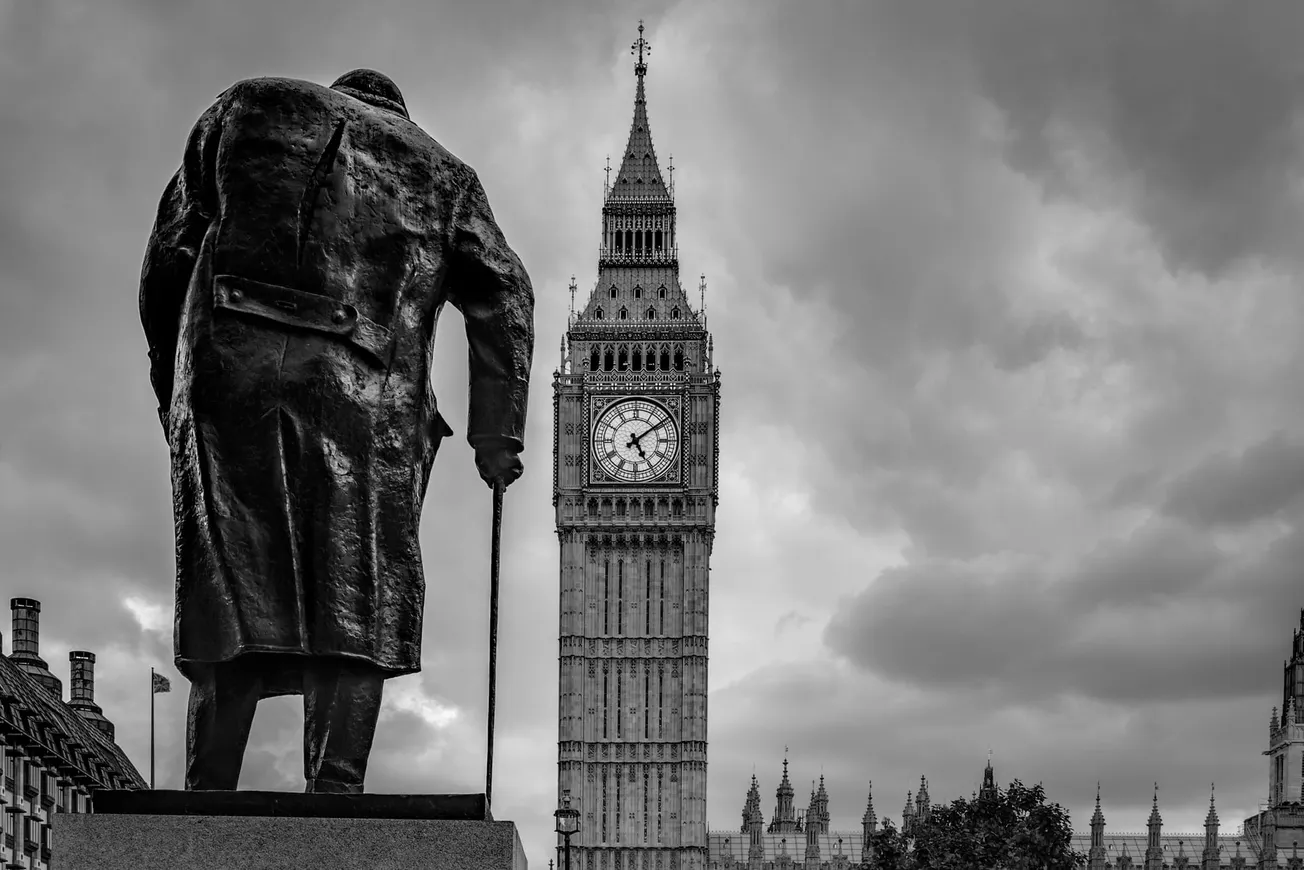
1940-1941. Churchill. The Battle of Britain and The Blitz.
1941-1942. Stalin. The Battle of Moscow.
These two exceptional leaders went on to save their nations and way of life by inspiring their people to sacrifice, fight and resist with great resolve and fortitude.
The second Battle of Britain now rages all around us. Not in the air above. But in the cyber domain. The frontline is our place of work, our home and our critical national infrastructure. This is not war as we see it on the History Channel. It is a new form of warfare. One that is much harder to see and respond to. That is by design. But don’t be fooled, it is war nonetheless.
Maybe if we connect with their soul, the people of the UK might be willing to accept less in certain areas of their lives today, so that their wives, husbands, partners, sisters, brothers, children and grandchildren won’t have to fight and die in any future escalations of this war.
But first, our wartime leader must rise and seize the moment, however politically hard that task may be. War demands strong leadership; someone who can commune with the nation’s soul before it’s too late. To make us hear, to make us feel, and, above all, to make us see.
*Editor’s note: This article was penned om the 1 June before the DIP was formally, and finally, published this week, and – plot spoiler – it doesn’t go far enough.
David Orson Newton
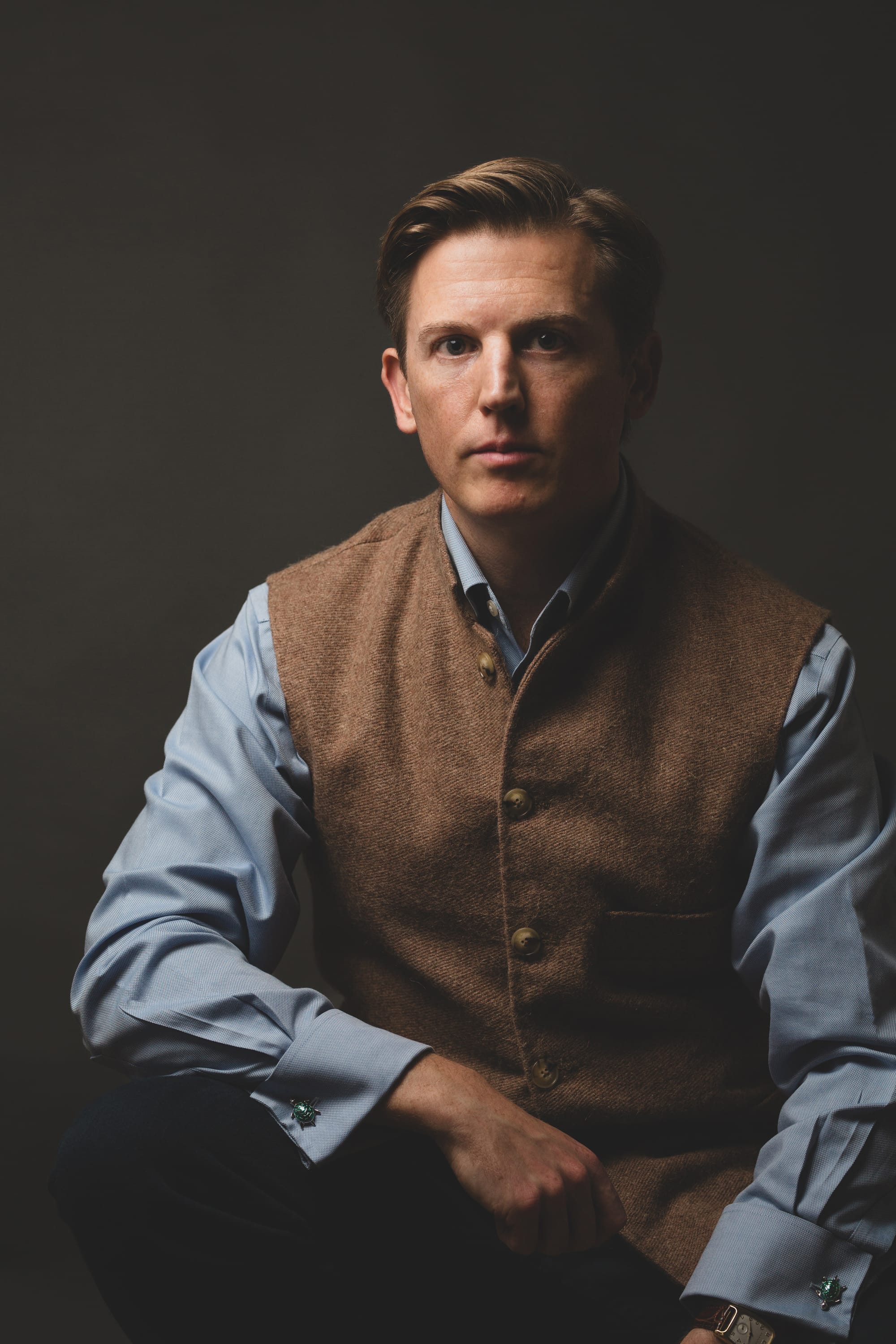
About the author: Combat veteran and technologist. Newton’s work has taken him from the warzones of Afghanistan, Iraq and Yemen to the leading edge of innovation in Silicon Valley. He now resides with his wife and son in rural Devon, England. An alumnus of the Faber Academy, Seconds to Midnight is his first novel.
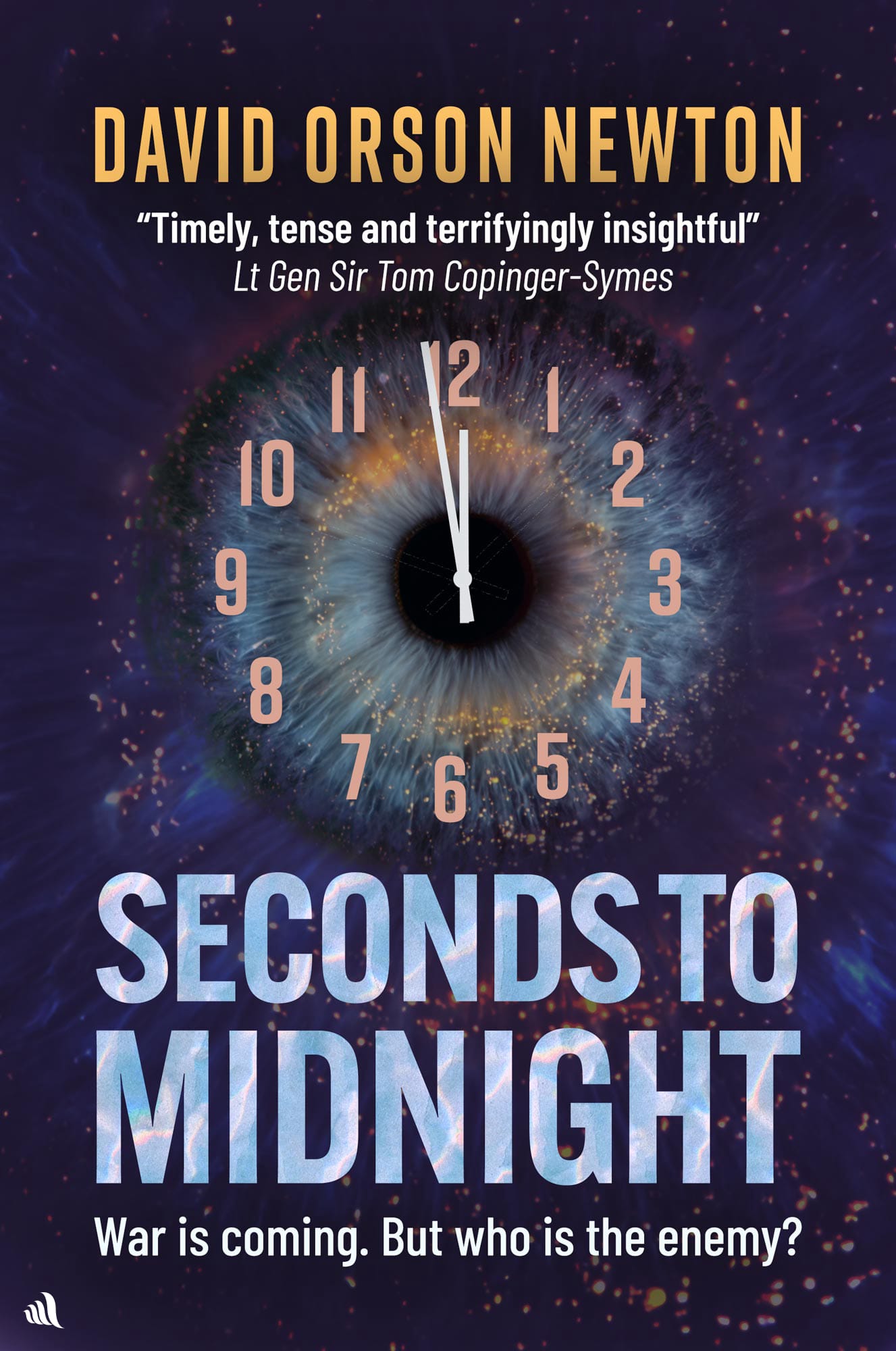
About Seconds to Midnight: The Doomsday Clock is seconds from midnight. Across a fractured Europe, governments crumble, armies mobilise, and an AI named Omnia begins to rewrite the world’s destiny. From the shadows of espionage to the frontlines of cyberwar, humanity’s last defence may come from the very people it has already left behind.